Smoke Versus Heat Detectors: Which Do You Need?
September 25, 2026
What Is a Duress Alarm and How Does It Work?
September 29, 2026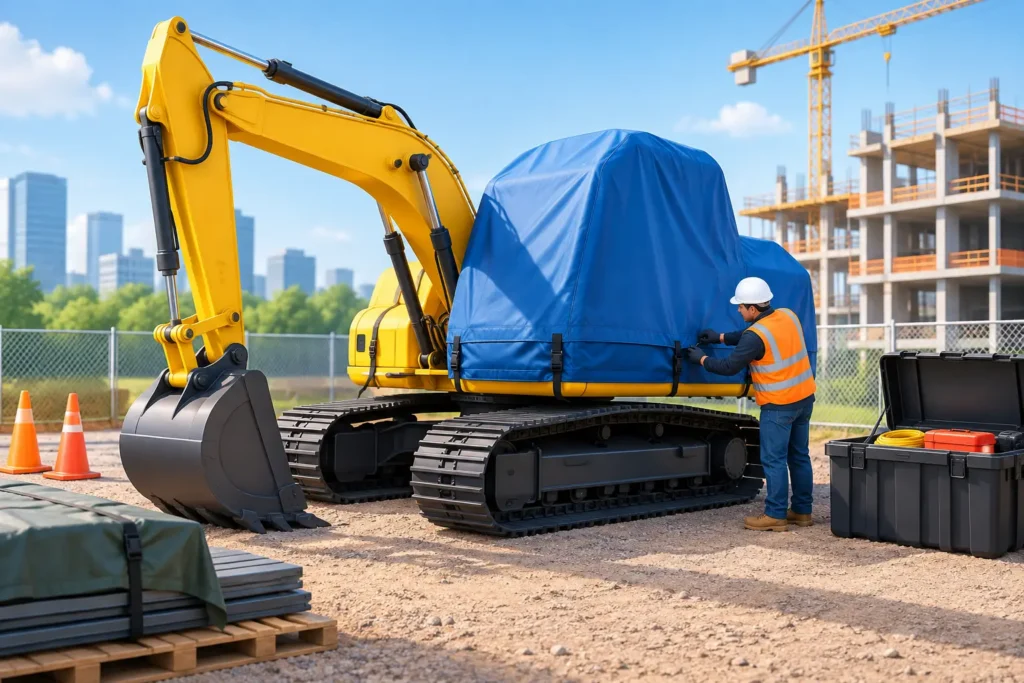
A parked skid steer, trailer full of tools, or excavator left behind a temporary fence can represent hundreds of thousands of dollars in exposure. To protect construction equipment, contractors need more than a lock on the gate. They need a jobsite security plan that deters theft, documents activity, and creates a fast response when something is wrong.
Construction theft is not only about replacement cost. A stolen generator, missing attachments, or damaged machine can delay a crew, disrupt a subcontractor, push back a deadline, and strain client relationships. On active sites across South Carolina, the most effective protection combines physical safeguards with professionally installed security technology and dependable monitoring.
Start With a Jobsite Security Assessment
Every construction site has different risks. A small residential build with a locked storage container needs a different approach than a commercial project with multiple access points, heavy equipment, fuel storage, and rotating crews. Before selecting cameras or alarms, assess what is on site, when it is most vulnerable, and how people currently enter and leave.
Look closely at the perimeter, equipment staging areas, trailer locations, storage containers, fuel tanks, and blind spots around buildings under construction. Consider whether the site is empty overnight, whether neighboring properties offer natural visibility, and whether theft risk increases on weekends or holidays.
It also helps to identify what would cause the most costly interruption. Some tools are easy to replace. A specialized attachment, job trailer, or piece of machinery may not be. Security investments should prioritize the assets that create the greatest financial and operational risk.
Control Who Can Enter the Site
Open access is one of the most common jobsite vulnerabilities. Fencing is valuable, but it only works when gates, locks, and entry procedures are consistently managed. Crews may need access before sunrise, vendors may arrive throughout the day, and subcontractors can change from week to week. Without a clear system, keys and gate codes can quickly become difficult to control.
Access control gives contractors a better way to manage entry. Instead of relying on shared keys or a code that everyone knows, authorized employees and approved vendors can receive credentials that are easier to add, remove, and track. If a worker leaves the project, their access can be removed without changing every lock on site.
For many sites, the right approach depends on how temporary the project is. A short-term build may need controlled gate access and a secure lockbox process. A larger or longer project may benefit from a more formal access control system at the main gate, trailer, or equipment yard. The goal is simple: know who should be there and make it harder for everyone else to get in.
Use Cameras Where They Deliver Real Coverage
Visible security cameras are one of the strongest deterrents on a construction site. They signal that activity can be seen and recorded, which may persuade an opportunistic thief to move on. Cameras also give project managers a clearer picture of deliveries, gate activity, equipment movement, and after-hours conditions.
Placement matters more than camera count. A camera should cover the entrance and exit points, equipment storage areas, trailers, material stacks, fuel tanks, and high-value machinery. Overlapping views are useful at key locations because a single camera can be blocked, damaged, or aimed away from the most useful angle.
Remote viewing can be especially valuable for owners and supervisors who manage several projects. A smartphone-enabled system lets an authorized user check conditions without making a late-night drive to the site. Recorded video may also help support an insurance claim or assist law enforcement after an incident.
However, cameras are not a complete solution by themselves. Poor lighting, weak wireless connectivity, bad angles, and unmonitored alerts can limit their value. Professionally designed camera coverage helps ensure the system addresses the site as it actually operates, not just the areas that were easiest to install.
Pair Detection With a Fast Response Plan
A camera may show you what happened. An intrusion alarm can alert you while it is happening. Door contacts, motion detection, gate sensors, and perimeter devices can be used to identify unauthorized entry after the site closes.
The best setup depends on the environment. Interior motion sensors may protect trailers and enclosed storage areas, while exterior detection can be appropriate around gates, containers, or restricted equipment zones. Outdoor sensors require thoughtful placement to reduce nuisance alarms from weather, animals, or normal site conditions.
Professional 24/7 alarm monitoring adds another layer of protection. When an alarm is received, trained operators can follow a defined response process rather than relying on someone to notice a phone notification at 2:00 a.m. That matters when a project manager is asleep, traveling, or already handling another urgent issue.
Create a clear response plan before an incident occurs. Decide who should receive notifications, who can verify conditions through video, who has authority to visit the site, and when law enforcement should be contacted. A security system works best when the people responsible for the site know exactly what to do next.
Make Theft Less Convenient
Criminals often look for speed, cover, and a simple exit route. Physical security increases the time and effort required to remove valuable property, which can be enough to prevent a theft or give an alarm response time to work.
Use heavy-duty locks on trailers, containers, gates, and enclosed storage. Secure smaller tools in locked storage whenever possible rather than leaving them in open truck beds or around the site. For larger equipment, remove keys at the end of the shift, use equipment immobilizers when available, and park machines in a way that limits easy loading or access.
Lighting is another practical deterrent. Well-lit gates, equipment yards, and trailer areas make it harder for someone to work unnoticed and improve camera image quality after dark. Motion-activated lighting can be useful for isolated areas, while consistent lighting may be better at active entrances and main storage locations.
Do not overlook fuel. Fuel theft can happen quickly, and damaged tanks or hoses can create safety and environmental concerns. Lockable caps, protected storage areas, camera coverage, and inventory checks help reduce the opportunity.
Keep an Accurate Equipment Record
If equipment disappears, details matter. Maintain a current list of serial numbers, asset numbers, photographs, purchase information, and identifying marks for every high-value tool and machine. Store that information somewhere secure and accessible off site.
Marking equipment with company identification can make resale more difficult and recovery easier. GPS tracking may also be worth considering for mobile assets or equipment that frequently moves between sites. Tracking is not a replacement for site security, but it can provide valuable information after an unauthorized movement.
Daily or weekly equipment checks help catch problems early. A foreman who knows which attachments, generators, and tools should be present is more likely to notice an issue before it becomes a costly surprise on Monday morning.
Train Crews to Support the Security Plan
Security procedures should be easy enough for busy crews to follow. Ask employees to lock equipment, return keys, secure tools, close gates, and report damaged fencing, unfamiliar vehicles, or suspicious activity. These steps are most effective when they are part of the normal end-of-day routine rather than an extra task left to one person.
Avoid sharing alarm codes broadly or leaving access credentials in trucks and trailers. If workers need after-hours entry, give them a defined process. Convenience matters on a construction site, but uncontrolled access creates an avoidable risk.
Build Protection Around the Project, Not a Product List
A construction jobsite changes constantly. Fences move, buildings take shape, equipment is relocated, and new subcontractors arrive. Security should be reviewed as the project evolves. What protected an empty lot may not adequately protect a nearly completed building filled with appliances, fixtures, and finishing materials.
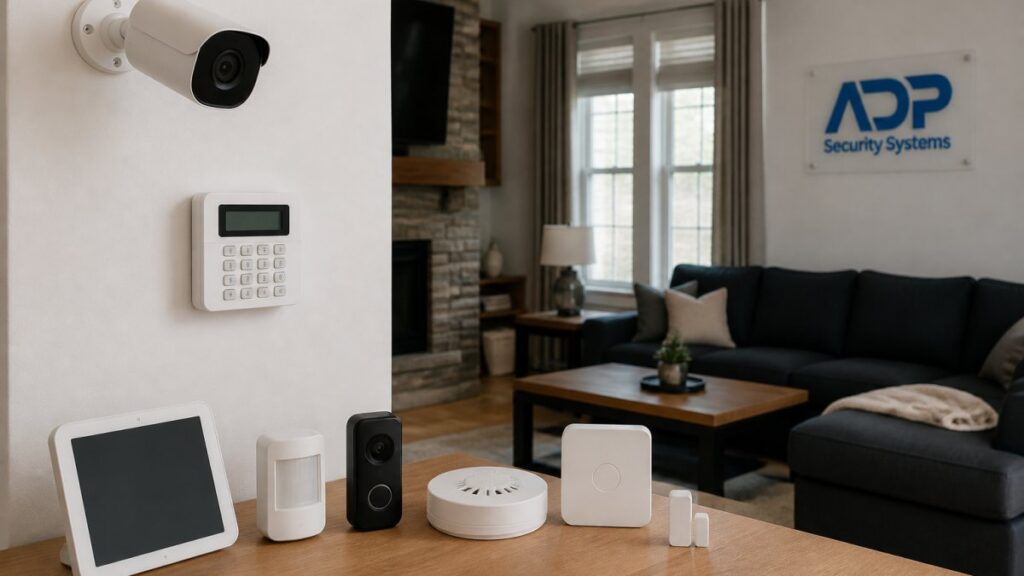
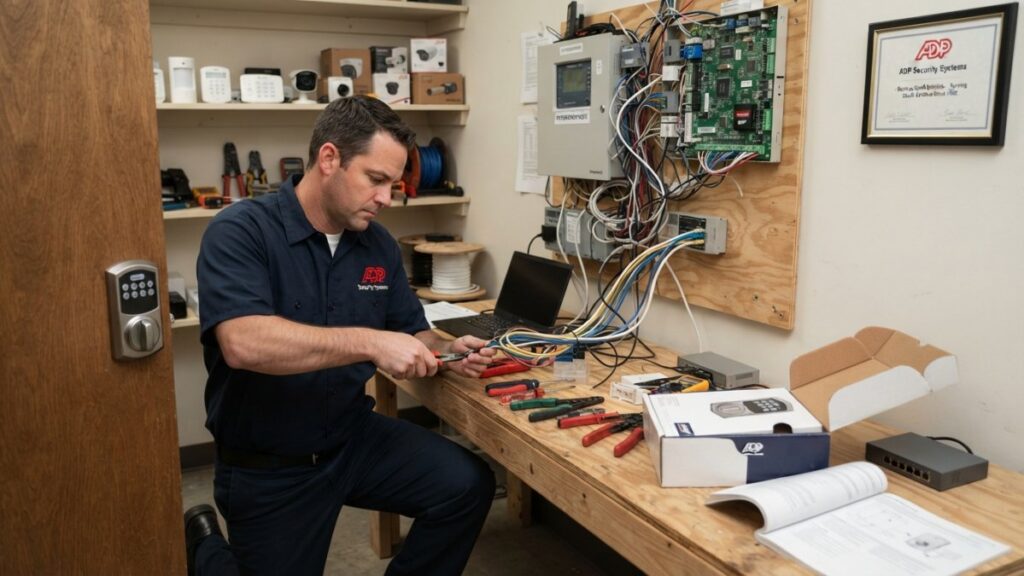
ADP Security Systems helps South Carolina contractors evaluate these changing conditions with professionally installed cameras, intrusion alarms, access control, and 24/7 monitoring designed around the site. The right plan should provide practical protection without adding unnecessary complexity for your crew.
The most useful next step is often a walk-through after work hours, when the site is quiet and vulnerabilities are easier to see. Look at the property as someone looking for an easy opportunity would, then close the gaps before a missing machine or tool forces the issue.