A Pharmacy Security Example That Protects More
September 21, 2026
Smoke Versus Heat Detectors: Which Do You Need?
September 25, 2026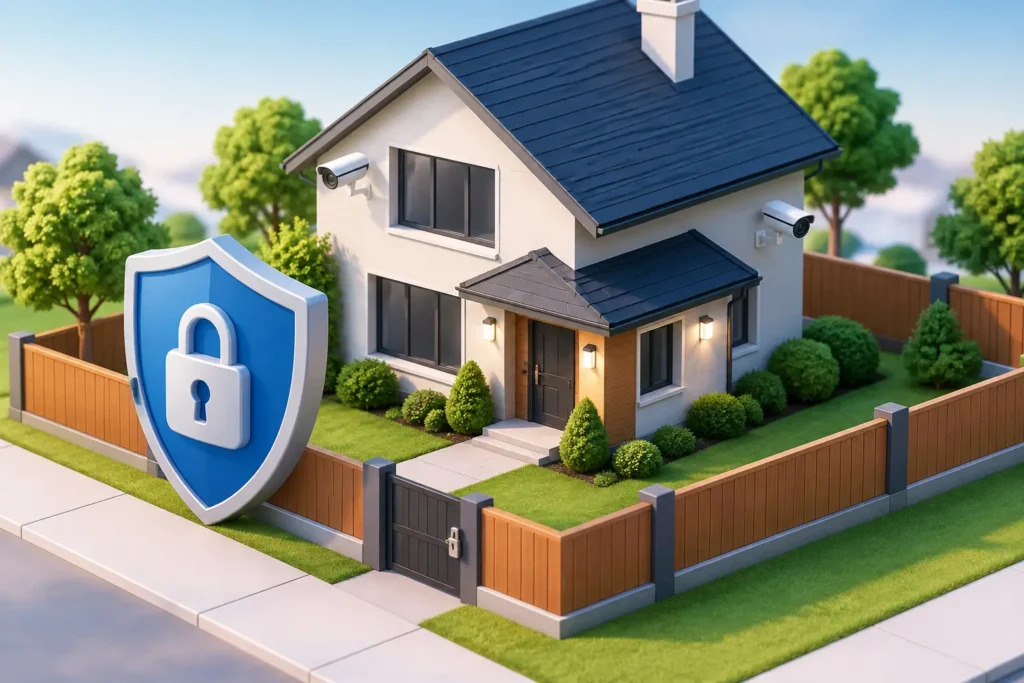
A vacant house, storefront, rental unit, or construction site can draw attention faster than many owners expect. Learning how to secure vacant property means addressing the visible signs that no one is present, then creating dependable layers of protection that help detect and respond to a problem quickly.
For South Carolina property owners, vacancy may be temporary, but the risks are immediate. A home may be between tenants, a business may be relocating, or a family property may be waiting for a sale. Whatever the reason, an empty building can face trespassing, theft, vandalism, water damage, fire, and weather-related issues without anyone nearby to notice.
Start With a Property Risk Assessment
Not every vacant property needs the same security plan. A furnished home in a quiet neighborhood has different concerns than an empty retail space with rear loading doors, exposed equipment, and multiple employee entrances. The right approach begins with an honest look at the property and what makes it vulnerable.
Walk the exterior during the day and again after dark. Look for hiding places, damaged fencing, dark entry points, loose windows, overgrown shrubs, and areas that cannot be seen from the street. Inside, identify valuable equipment, copper piping, appliances, inventory, records, and utilities that could be damaged or stolen.
Also consider how long the building will remain empty. A property vacant for two weeks while an owner travels may need temporary safeguards. A building expected to sit vacant for months needs a more structured plan, including professional monitoring, scheduled inspections, and a clear response process.
Secure Every Entry Point First
Most property crimes are crimes of opportunity. A door with a weak lock, a broken window, or an unsecured service entrance sends the wrong message. Begin with the basics: make every ground-level door, window, gate, and roof-access point difficult to enter without authorization.
Replace or rekey exterior locks when keys may have been shared with former tenants, contractors, employees, or real estate personnel. Deadbolts, reinforced strike plates, and solid exterior doors provide meaningful protection. For commercial properties, access control can reduce the need to circulate physical keys and create a record of who enters and when.
Windows deserve the same attention. Repair broken panes promptly, secure window locks, and consider glass-break detection where appropriate. Boarding up windows may be necessary after damage, but it can also advertise that a building is empty. When possible, use a professional temporary repair or security solution that protects the opening without making the property look abandoned.
Do not overlook secondary entrances. Side doors, basement access, storage rooms, loading docks, and utility areas are often less visible and more likely to be tested by an intruder.
Use Visible Security Without Advertising Vacancy
A well-designed security system does more than record a break-in. It helps discourage one. Professionally installed cameras placed at entry points, driveways, parking areas, and vulnerable exterior sections make it clear that activity can be seen and reviewed.
Cameras should be positioned for a useful view of a person, vehicle, or license plate, not simply aimed at a broad area. Good placement also avoids glare from exterior lighting and limits blind spots around doors and walkways. Remote video access can allow an owner or facility manager to check the property from a smartphone, which is especially helpful when the location is several towns away.
Visible cameras are valuable, but they should not be the only protection. A camera may capture evidence after an incident, while an intrusion alarm can send an immediate signal when a protected door opens, a window is breached, or motion is detected inside.
Pair Alarms With 24/7 Monitoring
A vacant property has no one on-site to hear a siren, investigate an alert, or call for help. That is why 24/7 professional monitoring matters. When an alarm signal is received, trained operators can follow the established response plan, notify the proper contacts, and request emergency assistance when needed.
Monitoring is particularly useful for owners who travel, manage multiple properties, or cannot reasonably check an empty building every day. It also provides a layer of support when an alert happens overnight, during a storm, or while you are in a meeting and unable to respond to a phone notification.
The system should be designed for the building rather than assembled as a one-size-fits-all package. A small vacant residence may need door contacts, motion detection, a camera, and environmental sensors. A commercial building may require multiple partitions, access control, cameras, glass-break devices, and fire alarm coverage.
Keep the Property Lit, Maintained, and Occupied in Appearance
Security technology works best alongside simple signs of care. A neglected appearance can signal that no one is watching. Keep grass cut, leaves cleared, mail collected, and exterior damage repaired. If a property has a driveway or parking area, occasional authorized vehicle activity can help it look attended without creating unnecessary traffic.
Exterior lighting is another practical deterrent. Use lighting at entrances, walkways, rear doors, and parking areas. Timers or smart controls can vary interior and exterior lights, but avoid a pattern that turns lights on and off at the same exact time every day. Motion-activated lighting is often effective around less-used areas such as side yards and loading zones.
Be mindful of utility management. Turning off every utility may seem sensible, but it can create other risks. In colder weather, a completely unheated building may face frozen pipes. Water leaks, extreme temperatures, and power loss can cause serious damage long before anyone notices. Temperature sensors, water detection, and low-temperature alerts can help protect vacant homes and commercial spaces where those hazards apply.
Control Who Has Access and Document Every Visit
Vacant properties often have more authorized visitors than owners realize. Realtors, cleaners, maintenance workers, contractors, inspectors, family members, and prospective tenants may all need access at different times. Without a clear process, keys can be copied, misplaced, or left in insecure locations.
Keep an access list that identifies who has permission to enter, why they are entering, and when access should end. For commercial properties, access control credentials can be issued and removed without changing locks each time personnel changes. For homes, a managed smart lock or temporary code may be preferable to hiding a key outside.
Every visitor should know how to secure the building when leaving. That includes checking windows, locking doors, arming the alarm, closing gates, and reporting any damage or suspicious activity immediately. A single missed latch can defeat an otherwise strong security plan.
Schedule Physical Inspections
Remote access and alarm monitoring are powerful tools, but they do not replace regular in-person checks. Cameras may not reveal a slow plumbing leak in a utility closet or a roof issue developing out of view. Scheduled inspections help catch problems while they are still manageable.
The right frequency depends on the property, season, location, and condition. A vacant home with active utilities may need weekly checks. A high-value commercial site, construction project, or property in an area with recurring trespass issues may need more frequent visits or contracted guard services. After severe weather, inspect as soon as it is safe to do so.
During each visit, check doors and windows, signs of forced entry, water damage, HVAC operation, electrical panels, smoke or fire alarm conditions, landscaping, lighting, and camera views. Take notes and photographs so changes are documented over time.
Do Not Forget Fire and Life Safety
Vacancy does not eliminate fire risk. Electrical faults, damaged wiring, arson, equipment left connected, and heating issues can all threaten an empty structure. Commercial owners may still have fire code, insurance, or occupancy-related responsibilities even when operations are paused.
Maintain required fire alarm and life-safety systems according to applicable rules and the building’s use. Avoid disabling equipment simply because the space is empty. If renovations, a change in occupancy, or a prolonged closure affects the system, consult a qualified fire and security professional about the proper steps.
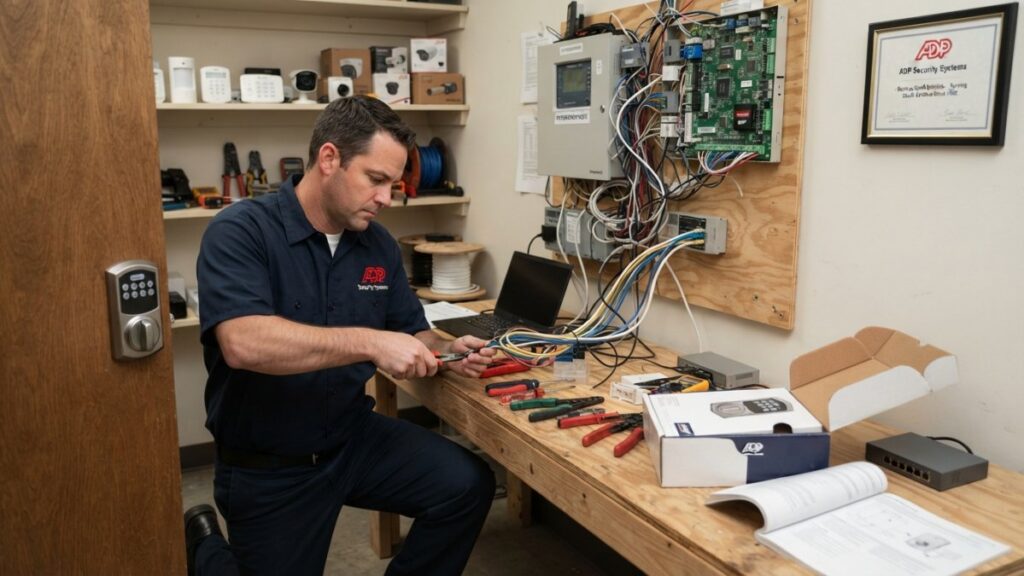
A professional assessment can bring these pieces together. ADP Security Systems helps South Carolina property owners evaluate intrusion risks, camera coverage, access needs, fire protection, and around-the-clock monitoring so protection fits the property and the length of its vacancy.
An empty building should never be an unprotected building. Put the right safeguards in place before the first sign of trouble, and you can spend less time worrying about what is happening at the property when no one is there.