Business Alarm Lease Versus Purchase: Which Fits?
October 7, 2026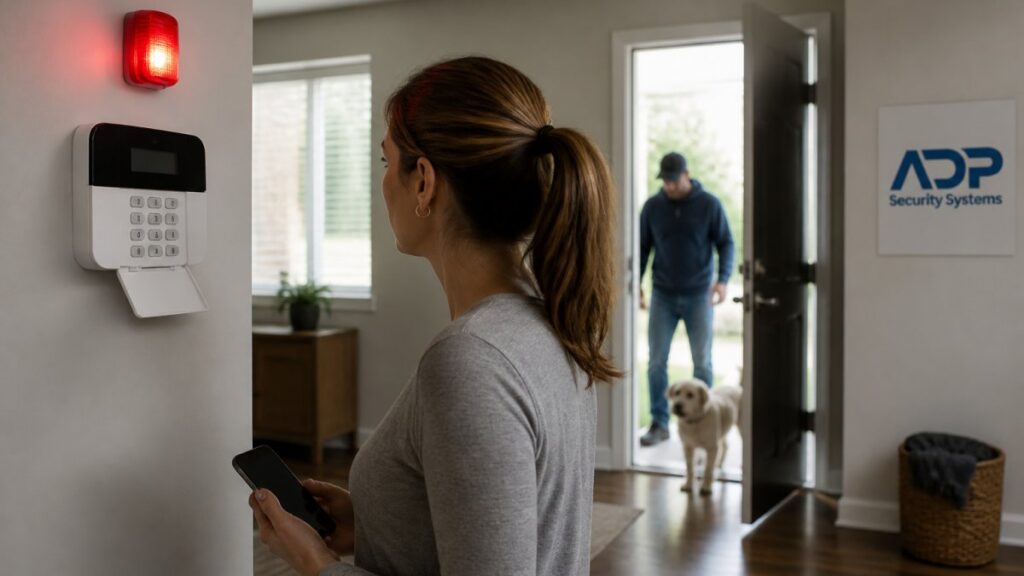
Table of Contents
- The Immediate Response: What Happens When Your Home Security Alarm Goes Off
- What to Do When a House Alarm Goes Off
- How Long Does a House Alarm Go Off
- Home Alarm Monitoring Response: What the Monitoring Center Does
- Understanding Home Security Alarm False Alarms
- Monitored vs. Self-Monitored Systems: Different Response Paths
- What Happens During Power Outages or Communication Delays
- Frequently Asked Questions
Last Updated: October 8, 2026
The Immediate Response: What Happens When Your Home Security Alarm Goes Off
When your home security alarm goes off, a chain of events unfolds in seconds. Understanding this sequence helps you stay calm and respond correctly when it matters most.
Sensor activation and siren activation
Your alarm system starts the moment a sensor detects an intrusion. A door sensor triggers when someone opens an entry point. A motion detector fires when movement crosses its field. Either way, the control panel receives the signal instantly.
The siren activates immediately after sensor detection. This loud audible alarm serves two purposes: it alerts you to the intrusion and deters the intruder. Most sirens produce 85-120 decibels of sound, loud enough to be heard throughout your home and outside.
The siren typically cycles on and off in patterns rather than running continuously. This cycling preserves the system’s power supply and prevents alarm fatigue for neighbors. The pattern usually repeats every few seconds.
Signal transmission to the monitoring center
If you have professional monitoring, your panel sends a signal to the monitoring center within seconds of activation. Modern systems use multiple communication paths.
The monitoring center receives your alarm signal with your account information and address. This happens automatically, without requiring you to call. The center logs the exact time, location, and type of alarm triggered.
Your monitoring team now has critical information: whether your system is armed, which sensor triggered, and whether you’ve entered a valid passcode recently.
What to Do When a House Alarm Goes Off
Your first seconds matter most. Here’s exactly what to do when your home security alarm goes off.
Verify the alarm reason
Stop and listen. Did you trigger the alarm accidentally? Did a family member open a door you forgot about? Did a window blow open in wind?
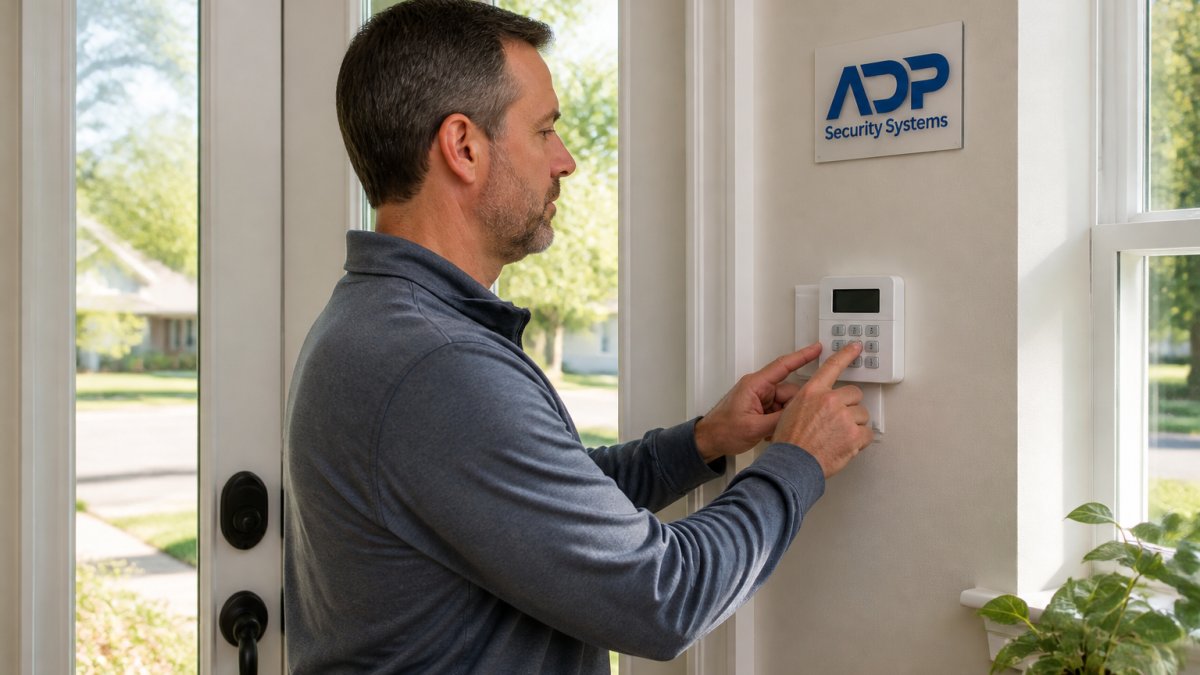
If you triggered it, move to your keypad immediately. You typically have 30-60 seconds to disarm before the monitoring center calls. Check your system’s display for which sensor activated.
If you didn’t trigger it and you’re home, your safety comes first. Move to a safe location. Lock yourself in a room if possible. Call 911 from your phone, not your landline, in case an intruder is nearby.
If you’re away from home when the alarm sounds, do not return. Call 911 and wait for police to clear the property. Let your monitoring center know you’re away and cannot disarm the system.
Disarm the system or silence the siren
If you caused the alarm, disarm it immediately using your passcode. Most systems require you to enter your code on the keypad within the grace period. The siren stops within seconds of successful disarm.
If the alarm was accidental, contact your monitoring center right away. Tell them the alarm was false. Provide your account number and passcode. They’ll note this in your account and won’t dispatch police.
Some systems have a “silence” button that quiets the siren without fully disarming. This is useful if you need to hear and think while you verify what happened. The system remains armed and the monitoring center remains alerted.
Communicate with the monitoring center
Your monitoring center will call you after receiving the alarm signal. Answer the phone and provide your passcode. This confirms you’re the account holder and not an intruder.
Tell them what triggered the alarm. Be specific: “My daughter opened the front door” or “The wind knocked over a plant near the motion detector.” This information helps them decide whether to dispatch police.
If you cannot be reached, the monitoring center follows your account settings. Most accounts are set to dispatch police after a certain number of unanswered calls. Some accounts skip dispatch for certain alarm types.
Stay on the line with the monitoring center until they confirm they’re not dispatching. This prevents unnecessary police response and potential false alarm fees.
How Long Does a House Alarm Go Off
Standard siren duration and cycles
A typical home security alarm siren runs for 10-15 minutes before stopping automatically. This duration is set by the system installer or your monitoring company. The siren doesn’t run continuously for those 15 minutes. Instead, it cycles: loud for several seconds, silent for several seconds, then repeats.
This cycling pattern serves a purpose. It conserves battery power in case your home loses electricity. It also prevents the siren from becoming a constant background noise that people stop hearing.
Some systems allow you to adjust the siren duration in your settings. Others have fixed durations you cannot change. Check your system’s manual or call your monitoring company to learn your alarm’s cycle pattern.
Factors affecting alarm duration
Several factors change how long your alarm sounds before stopping:
- System type: Older systems may cycle differently than newer ones
- Battery backup: A weak battery may cause the siren to stop sooner
- Power supply: Loss of electricity can affect siren duration
- Monitoring center settings: Some centers can remotely silence your siren
- Manual disarm: You can stop the siren instantly by entering your passcode
If your siren runs longer than expected, check your system’s power supply. A low battery warning light or beeping indicates battery issues. Replace batteries promptly to ensure your system functions correctly during a real emergency.
Home Alarm Monitoring Response: What the Monitoring Center Does
Verification process and procedures
The monitoring center’s first job is verification. They receive your alarm signal and immediately pull up your account details. They see your address, phone number, and alarm preferences.
The center calls you at the number on file. A trained operator asks for your passcode. This confirms you’re the account holder and not an intruder pretending to be you.
The operator asks what triggered the alarm. Your answer helps them determine if the alarm is genuine.
If you don’t answer the phone, the monitoring center tries again. Most centers make 2-3 attempts before deciding whether to dispatch. Your account settings determine this policy. Some accounts require voice verification.
Get a Free Security Assessment →
Dispatch decision and law enforcement contact
After verification, the monitoring center decides whether to dispatch police. A genuine intrusion alarm with voice verification gets immediate dispatch. A false alarm that you’ve confirmed gets no dispatch.
When dispatch is warranted, the center contacts local police with your address, the alarm type, and any details you provided. Police prioritize intrusion alarms over other calls. Response time varies by location, typically 5-20 minutes.
Police arrive prepared. They know an alarm is active at your location. They approach with caution and may request you stay inside until they’ve cleared the property.
The monitoring center documents everything: the time of the alarm, the verification call, your passcode confirmation, and the dispatch decision. This record protects you if questions arise later about false alarm fees or police response.
Understanding Home Security Alarm False Alarms
Common causes of false alarms
False alarms are far more common than real intrusions. Understanding what causes them helps you prevent them.
Sensor sensitivity: Motion detectors sometimes trigger from pets, moving curtains, or insects. Adjust sensor placement or sensitivity to reduce these triggers.
User error: Forgetting to disarm before opening a door is the most common cause. Rushing through your disarm sequence can also trigger the alarm.
Equipment malfunction: A faulty sensor or low battery can cause random triggers. Replace batteries regularly and test sensors monthly.
Environmental factors: Wind opening doors or windows, temperature changes affecting sensor operation, or power fluctuations can all cause false alarms.
Installer mistakes: Sensors placed incorrectly or set to wrong sensitivity levels may trigger without cause. Have a technician review your system if false alarms continue.
False alarm fees and prevention strategies
Many municipalities charge false alarm fees after a certain number of false alarms in a year. Fees typically range from $50-$300 per false alarm. Repeated false alarms can result in police refusing to respond to your address.
Preventing false alarms protects your wallet and your neighborhood. Here’s what works:
- Test your system monthly to catch faulty sensors early
- Replace batteries in wireless sensors twice yearly
- Train all household members on proper disarm procedures
- Keep your monitoring center updated on any system changes
- Review your sensor placement with a technician if false alarms persist
- Maintain a written list of your passcode and account details in a safe place
A well-maintained system catches real threats without triggering false alarms that drain your budget and community resources.
Monitored vs. Self-Monitored Systems: Different Response Paths
A monitored system connects to a professional monitoring center that responds to your alarm. When your alarm goes off, trained operators verify the alarm and contact police if needed.
A self-monitored system sends alerts to your phone but doesn’t contact police. You receive notifications through a mobile app, text message, or email when the alarm triggers. You then decide whether to call 911 yourself.
The key difference: monitored systems provide professional verification and police dispatch. Self-monitored systems give you control but require your immediate action.
Many homeowners choose monitored systems for peace of mind. You know that trained professionals are verifying your alarm and contacting emergency services if needed. This matters most when you’re away from home or asleep.
What Happens During Power Outages or Communication Delays
Your alarm system has built-in backup power. Most systems include a battery backup that powers the panel and wireless sensors for 24-48 hours during an outage.
Communication delays can occur if your internet goes down or your cellular signal drops. Modern systems use multiple communication paths to reach the monitoring center.
Some communication delays are temporary. The monitoring center may receive your alarm signal seconds after activation, or it may take minutes.
If your system loses all communication paths, it cannot reach the monitoring center.
Test your system’s backup communication quarterly. Many monitoring centers offer this service. They’ll verify that your system can reach them through all available paths.
When your home security alarm goes off, you want to know exactly what happens next.
Frequently Asked Questions
What should I do immediately when my home security alarm goes off?
First, stay calm and ensure you and your family are safe. If you triggered the alarm accidentally, locate your keypad and enter your disarm code. If you don’t recognize the alarm reason, move to a safe location and call 911 if you suspect a break-in. Your monitoring center will attempt to contact you for verification, so answer your phone. Provide your account information and confirm whether the alarm is a false trigger or a genuine emergency. Clear communication with your monitoring center prevents unnecessary police dispatch.
How long does a house alarm go off before it stops?
Most home security alarms sound for 15 to 20 minutes before automatically silencing. However, you can stop the siren immediately by disarming the system with your passcode at the keypad or through your mobile app. Even after the siren stops, the alarm signal remains active and is transmitted to your monitoring center. The exact duration depends on your system settings and whether you manually silence it. Some systems allow you to silence the siren while keeping the alarm armed for monitoring purposes.
Will police respond when my home security alarm goes off?
Police response depends on whether your system is professionally monitored and the reason for the alarm. If you have professional monitoring, the monitoring center verifies the alarm and decides whether to dispatch law enforcement based on the situation. If the alarm is verified as a genuine intrusion, police are typically contacted. However, repeated false alarms may result in police being slower to respond or your local jurisdiction charging false alarm fees. Self-monitored systems require you to contact 911 directly if you need emergency response.
What causes false alarms and how can I avoid them?
Common causes include accidental keypad triggers, motion detector sensitivity to pets or air movement, low battery warnings, and user error with door sensors. To prevent false alarms, ensure all household members know the disarm code, test sensors regularly, and check battery levels monthly. Adjust motion detector sensitivity if you have pets. Inform your monitoring center when you’re away so they can adjust response procedures. Many monitoring companies offer reduced false alarm fees or waive them if you maintain a good record, and some jurisdictions charge homeowners for excessive false alarms.