
Are Home Security Systems Worth It in Upstate SC?
June 17, 2026
Professional Home Security Installation vs DIY Systems
June 18, 2026
No Contract Home Security System: Questions to Ask
Most national security chains require a three-year contract before they even install a single sensor. This practice keeps you stuck in a deal that might not serve your home for very long.
A no contract home security system allows Greenville homeowners to protect their property without the burden of a long-term contract. Unlike major national brands that require multi-year agreements, these plans provide professional 24/7 monitoring on a month-to-month basis. This freedom means you can cancel or change your service at any time without paying massive fees or dealing with credit checks. Local providers like ADP Security Systems offer these friendly terms to ensure families get reliable protection that fits their specific needs and budget. These systems often include smart home features like Z-Wave tools and mobile alerts to keep you connected to your house from anywhere. Professional monitoring provides 24/7 UL 827-certified oversight to ensure a rapid response during emergencies. This approach puts your safety and financial freedom over corporate profit margins.
Request a home security assessment and quote from ADP Security Systems.
Many people in the Upstate are unsure how these plans work or what they cover before they buy. You should know exactly what does no-contract home security actually mean before you pick a provider for your family. Here is how it works.
No Contract Home Security System: What does no-contract home security actually mean?
A no-contract home security system lets you protect your house without a long-term deal. In this industry, a standard contract often lasts for three to five years. If you want to cancel early, you may have to pay a large fee. A no-contract plan removes this risk by letting you pay for service one month at a time. This choice gives you more control over your home safety and your budget.
The difference between contracts and monitoring
People often confuse a service contract with professional monitoring. A contract is a legal promise to pay for a set time. Monitoring is the actual service where experts watch your alarm 24/7. When you pick a no contract home security system options, you still get help from a central station. The main change is that you can stop the service whenever you want without a penalty.
Professional monitoring is a key part of staying safe. Some studies show that alarming devices can help protect people from harm when used the right way. With a month-to-month plan, you get this high level of care without the stress of a multi-year deal. You pay for the monitoring you need today and stay free to change your mind later.
Equipment costs and financing
How you pay for your gear also affects what “no-contract” means. Many big companies give you “free” gear but hide the cost in a long-term plan. To get a true no-contract deal, you usually buy the hardware upfront. This may cost more at the start, but it saves you money over time. You own the gear and do not owe the company for the parts of the system.
Some providers also offer choosing a no contract security system with no credit checks. This makes it easier for more people to get the tools they need to stay safe. By paying for your gear first, you avoid the debt that often comes with a locked-in plan. This path is great for renters or people who plan to move soon.
Why you must check the full agreement
Even with “no-contract” ads, you should read the fine print. Some deals may still have small fees for starting or stopping your service. A good provider will be clear about every cost from day one. Look for a local team that values honesty. These teams often have better local accountability than large national chains. They want to keep your trust for years, even if you are not forced to stay by a legal paper.
Questions to ask before you sign
Choosing a new security plan can feel like a big chore. Many brands use long forms and small print to hide the true cost of their gear. When choosing a no contract security system, you must ask the right questions first. Being clear on the terms helps you avoid trap fees later on.
Check the total costs
You should start by looking at the price you pay today. Some firms give you free gear but then bill you for a long time. Others make you pay for the kit upfront to keep the monthly rate low. Searching for no contract home security system options often means you must buy the gear first. This gives you more freedom to leave if the service gets bad.
Ask if there is a fee for the setup. Some experts come to your home, while other brands send a box for you to fix. If you do it yourself, check if you still need to pay a start-up fee. You should also ask about the cost of pro monitoring. These services provide 24/7 watch and can help keep your home safe (source: NCBI). Make sure the rate is locked so it does not go up next year.
Look at the tech and gear
Good gear makes a big impact on how your home stays safe. You need to know if the system has a cell backup. This keeps the alarm on if a thief cuts your wires or if the power goes out. You should also ask about app access. Most modern systems let you use a phone to lock doors or see clips. Check if the app is free or if it costs extra each month.
Warranties are another key point to check. If a sensor stops working, who pays for the fix? Some firms cover the gear for life, but others only give you one year. Also, ask about fire safety tools like smoke alarms. These tools are vital for stopping harm or death during a house fire (source: CDC). Check if your security brand can link these tools to their main panel.
- How much do I pay today? Find out the full cost of the gear and the setup before you give any money.
- Who owns the security gear? Check if you own the sensors or if you must send them back when the service ends.
- Is there a fee to stop? Ask if there are hidden costs if you want to end the plan early or switch brands.
- What happens if I move? See if the brand helps you move the gear to a new home or if you must start over.
- How fast is the response? Ask how long it takes for a pro to call you after an alarm goes off at your house.
- Does it have a backup? Make sure the system uses cell signals to talk to the team if your web goes down.
Know your rights for later
Contracts can be long and hard to read. You must know what happens if you want to leave. A true no contract plan should let you stop at any time without a big fee. If you own the gear, you might be able to use it with a different firm. This is called an open system. If the system is closed, the gear is useless without that one brand.
Moving is another time when fees can pop up. Ask if you can take the gear with you to a new town. Some brands give you new gear for free, but they make you sign a new long-term deal. Always read the part about moving and ending the plan before you sign the page. This keeps you in charge of your home safety and your wallet.
Self-monitoring vs. professional monitoring
Picking how to watch over your home is a key choice for your safety. Many people now look for no contract home security system options to keep their plans easy to change. You can choose to watch the system yourself or hire a team to do it for you. Both paths have good points and some trade-offs to keep in mind.
How self-monitoring works
Self-monitoring puts you in total control of your home safety. When a sensor trips, the system sends a ping to your phone. You are then the one who must call the police or fire station. This setup works well for people who want to save money and stay active in their own security. It relies on you having your phone near you and turned on at all times.
The main perk is the low cost. You buy the gear and use an app to check on your home. You do not have to pay for a team to watch your house. But this also means you are the only line of defense. If you are in a meeting, at a movie, or fast asleep, you might miss a key alert. That delay could lead to more loss or harm during a break-in or fire.
The value of professional oversight
Professional monitoring means a team of trained experts watches your home every hour of the day. They use special centers to catch every signal from your alarm. If a sensor goes off, they act fast to check on your home. If they cannot reach you, they call for help from local crews. This 24/7 care is vital for many owners who want a fail-safe plan.
Studies show that alarm devices work best when they are set up right and watched well. Experts help reduce false alarms by checking the data first. They can look at video clips or talk through your wall panel to see what is wrong. This ensures that police only come when there is a real need. It gives you deep peace of mind even when you are far away or busy.
Comparing your options
Your pick will depend on your budget and how much risk you can handle. Some plans offer pro help for as low as $5 a month without a long-term deal. This lets you get the help you need without being tied down by a bond. It is a great way to test the value of a pro team without a big deal.
| Feature | Self-Monitoring | Professional Monitoring |
|---|---|---|
| Response Speed | Relies on your act | Fast, expert help |
| Alert Type | Mobile pings only | Pings and pro phone calls |
| Coverage | Limited by your focus | Always on (24/7) |
| Checking | You check the cause | Pros check first |
| Monthly Cost | Very low or free | Low fee for service |
| Contract Type | No contract needed | No contract options exist |
Most new systems use cellular signals to stay in touch with the world. This means you do not need a landline to keep your home safe. You can see real-time alerts on your phone through Z-Wave or other smart tools. Staying linked is the most vital part of any security plan you choose.
Why professional installation still matters
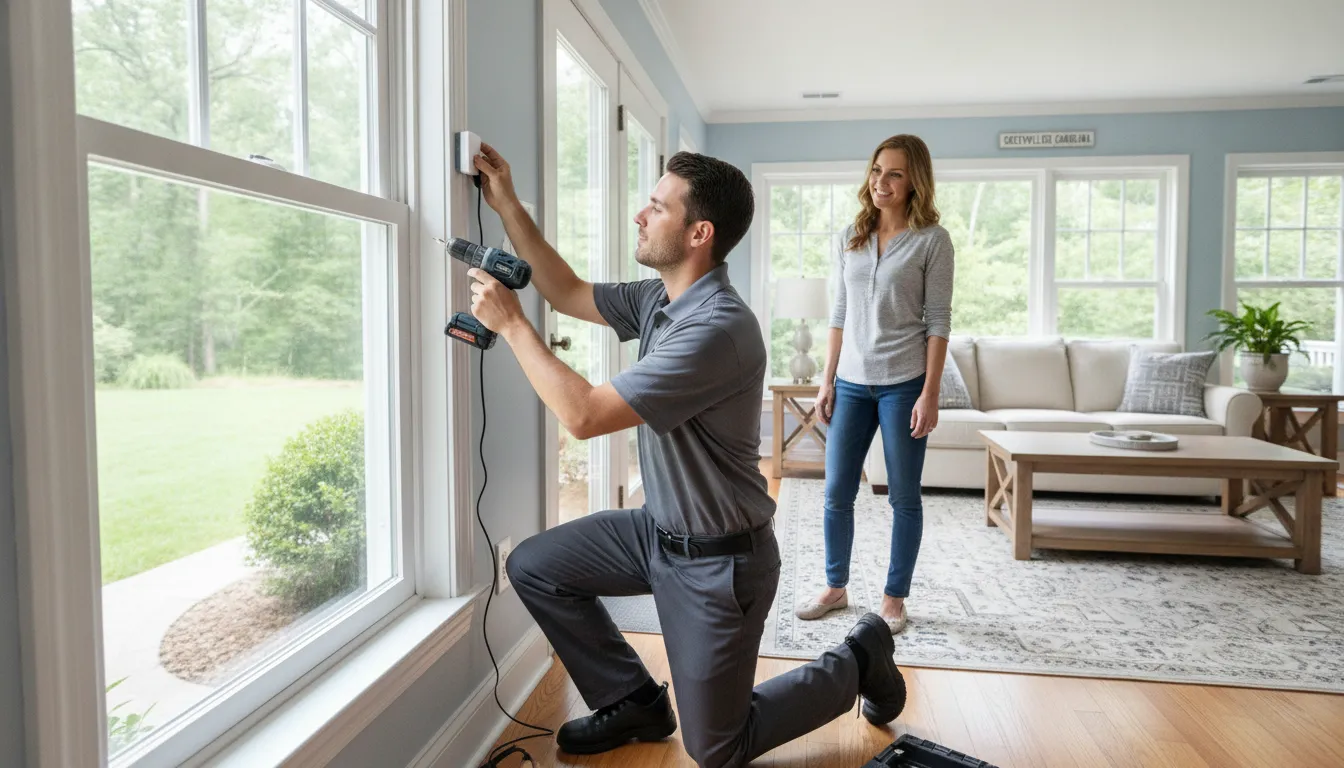
You may think a no contract home security system is easy to set up on your own. Many brands sell DIY kits that you can just stick to your walls. But having a pro do the work adds real value to your home safety. Expert setup ensures your gear works the right way from day one. It removes the guesswork and makes sure there are no gaps in your shield.
Expert sensor and camera placement
A pro knows where to put each sensor for the best results. They look for spots where a thief is most likely to enter. They also check for things like heat vents or pets that might trip a motion sensor. This careful plan helps your system cover every inch of your home. You get better coverage without the blind spots that often happen with DIY jobs.
Camera angles are also key for good safety. An expert can mount cameras to get a clear view of your yard and doors. They make sure the sun or porch lights do not wash out the video. This care gives you a clear look at your no contract home security system options. It shows you exactly how they guard your home.
Reducing false alarms and errors
False alarms are a big problem for many homeowners. They can lead to fines from the city or a slow response from the police. Most errors happen because of poor setup or a lack of testing. When an expert sets up your gear, they test every part. They make sure the signal is strong and the panel stays online.
Proper setup also involves learning how to use the system. High-quality setup and training for all users help reduce nuisance alarms and keep your home safe. A pro will walk you through the app and show you how to avoid common mistakes. This training keeps your system from going off when it should not. It also makes sure you feel sure about using your tools every day.
System connection and smart home help
Modern safety tools often link to other smart home parts. This might include smart locks, lights, or thermostats. Getting all these parts to talk to each other can be hard. A pro makes sure your Z-Wave or cellular gear works with the main panel. They handle the hard work of syncing each tool so your smart home runs smoothly.
Choosing a local pro gives you a point of contact for help. If a part fails or you need a change, you know who to call. This local care is a big part of choosing a no contract security system. It helps you find a system you can trust for years. You get the freedom of a monthly plan with the power of a pro-grade setup.
What should Upstate South Carolina homeowners consider?
Homeowners in the Upstate face unique needs that big brands often miss. From the hills of Greenville to the open spaces in Spartanburg, local factors change how you should protect your home. A no contract home security system gives you the choice to change your plan as your needs grow. This freedom is vital in a place where storms and local rules play a big role in home safety.
Weather and power outages in the Upstate
Heavy storms are common in South Carolina and can lead to sudden power loss. When the power goes out, your home may be at risk if your system needs a landline or local Wi-Fi. Many benefits of no contract security systems include the use of cellular backup. Modern panels use cellular signals to reach a 24/7 monitoring center. This works even if your home phone line is cut or your power is down. This ensures that help is always a call away during a crisis.
Smart home tools can also help you manage your home during bad weather. You can use a mobile app to check your locks or lights from anywhere. Since these systems do not need a home phone line, they are easy to set up in areas where service might be spotty. This type of steady link is a core part of keeping your family safe when the lights go out.
Protecting large lots and detached buildings
Many Upstate homes sit on large lots with sheds, shops, or garages. These extra buildings often store high-value items like tools or mowers. A basic alarm may not reach these far spots without the right gear. Using a system with Z-Wave tech lets you link devices across your whole yard. You can add sensors to a back gate or a shed and get real-time alerts on your phone if a door opens.
Safety is not just about stopping theft; it also includes fire and health alerts. Proper use of alerting devices is a key part of keeping people safe in their homes. You can link your smoke alarms and medical tags into one hub. This full view helps you spot a problem in a guest house or basement before it turns into a big issue. Expert help can guide you on where to place these tools for the best reach.
Understanding local rules and permits
Greenville and other local towns have clear rules for home alarms. Most places need a permit to run a system that calls for police help. If your system has too many false alarms, you might face a fine from the city. Working with a local team helps you manage these rules without the stress. They know the local laws and can help you set up your gear to avoid nuisance calls. This local trust is a big plus over large chains that might not know the rules in your town.
Before you buy, check with your local office about false alarm fees and permit needs. Local experts can help with choosing a no contract security system that meets all local rules. This keeps your home safe and saves you from sudden costs. Keeping your system in good shape with regular checks is the best way to ensure it works when you need it most.
- Check if your town needs an alarm permit.
- Look for systems with cellular backup for storm safety.
- Ensure your sensors can reach all buildings on your lot.
- Ask about local 24/7 monitoring services.
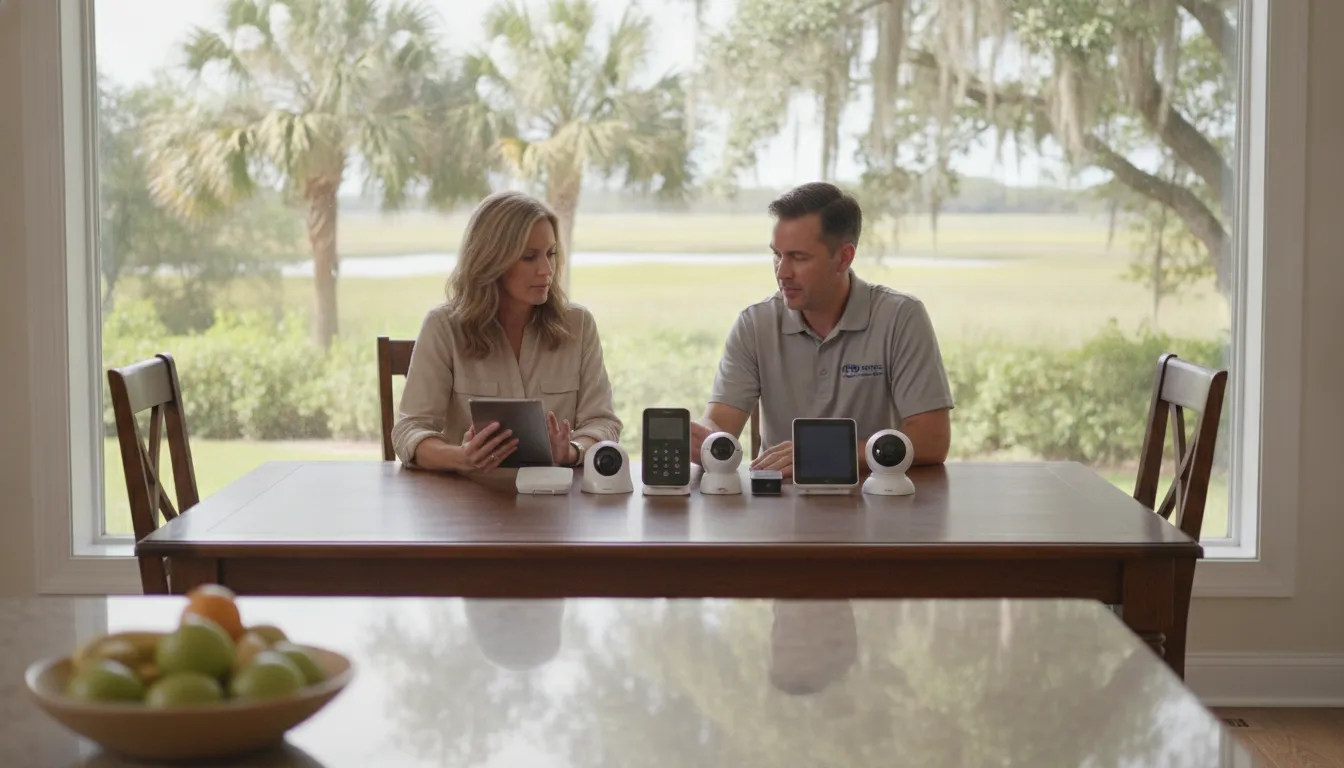
Ask ADP Security Systems for a written home security quote before you decide.
How to compare the real cost of a no-contract system
When you look for no contract home security system options, you must look at more than just the monthly price. Big brand names often hide high costs in the fine print of a long-term deal. A no-contract plan lets you stay free, but you need to know what you are paying for today and next year. You should look at the total value of the gear, the work to set it up, and any fees that might pop up later.
Gear and setup costs
Many brands give away “free” gear if you sign a three-year deal. With a no-contract plan, you often buy the gear upfront. This means you own the tools. You can take them with you if you move. You also do not have to worry about “rent” fees that never end.
Expert setup is also a key cost. Some people try to do it themselves to save money. But experts ensure every part works right from the start. Proper setup is vital for safety tools like smoke alarms, which must be placed in the right spots to work well. You should ask if the setup fee covers testing and training so you know how to use your new system.
Service and app fees
Monthly costs cover more than just an alarm that makes noise. They often pay for 24/7 help from a monitoring center that calls for aid if there is a fire or break-in. Check what features come with your plan. Some firms charge extra for mobile app use or smart home links. A good plan should let you see live video and lock doors from your phone without hidden costs.
You must also ask about the cost to stop or change your service. Some “no-contract” plans still have “start-up” fees that they want back if you leave too soon. Make sure you know if your rate is locked in or if it will go up after a few months. A local firm often has clearer terms than a large national brand.
The value of written quotes
Never trust a price given only over the phone. A real safety expert will give you a full quote on paper. This quote should list every part, every fee, and the monthly rate. It should also say who owns the gear.
Written quotes help you see the real value over time. You can compare the cost of buying gear now versus paying for it through a long deal. Most people find that staying local and skipping long deals saves them money in the long run. Plus, you get a team you can trust to help when you need it most.
Red flags to watch for in a no-contract offer
Many people pick a no contract home security system to avoid long plans, as these deals offer freedom and low costs. But some plans hide traps in the fine print. You should look for clear terms before you sign up, and a good firm will tell you exactly what you get and what you own. If the offer seems too good to be true, it might have hidden costs.
Hidden fees and vague terms
A common trap is the use of vague words. Some firms say they have no contracts but still charge high fees, such as a big startup cost. Others might have a long notice time for when you want to stop the service. You should check if the monthly price can go up at any time. A fair firm that offers no contract home security system options will list all costs upfront. This helps you plan your budget without any shocks.
Equipment and software lock-in
You should also check who owns the gear, because in some no-contract deals, you only lease the cameras and sensors. This means you must give them back if you quit. Other firms sell you closed gear. This hardware only works with their own software, so if you leave, the tools become useless. It is better to use open gear that can link to other services. This gives you real control over your home safety.
Poor monitoring and support
Some cheap plans do not offer expert help and might rely on a phone app to send you alerts. This is known as self-monitoring, and while it saves money, it puts the work on you. You must be ready to call for help during a fire or break-in, as fast help is vital for safety. Research from the National Institutes of Health shows that safety tools need proper setup to work well. This study notes that staff teaching and care help reduce false alarms. A red flag is a firm that gives you gear but no clear guide on how to use it.
Aggressive sales tactics
Watch out for firms that use high pressure and might tell you the deal ends today. They may also make scary claims about your local area. These tactics try to stop you from thinking clearly. A trusted local firm will give you time to choose, and they will answer your questions and let you compare plans. You can also look for a choosing a no contract security system that does not require a credit check. This is often a sign of a more easy and fair offer.
Frequently Asked Questions
What is the best no contract home security system?
The best system for you is one that has great gear and lets you leave at any time. Many people in South Carolina choose local firms like ADP Security Systems. These firms give you pro setup without a long deal. This means you own your tools and do not have to pay the hidden fees that big brands often charge. You get 24/7 help from a pro team while you stay in charge of your money and your home safety.
Is there a security system that doesn’t require a subscription?
Yes, you can buy a security system that does not need a monthly fee. These sets let you check your own home using a phone app. However, if you are not by your phone, no one will call for help if an alarm goes off. Adding a low-cost plan for 24/7 watch makes sure a pro team is always ready to act. According to ADP Security Systems, these pro plans can start at a low rate without a long-term deal.
Does ADP Security Systems offer no contract plans?
Yes, ADP Security Systems has home safety plans with no long-term deals. Many big brands make you sign a three-year paper, but this local team lets you choose what is best for you today. You can get a full set of tools and 24/7 help from their UL 827-certified center without a long bond. This local style gives you more freedom. It helps you feel safe without being stuck in a deal for years.
Do I need a credit check for a home security system?
Most big security brands will ask to see your credit score before they start your service. However, some local teams do not require this step. For example, ADP Security Systems does not run a credit check for home safety systems. This makes it much easier for you to get the protection you need for your family right away. You can get a pro setup and 24/7 watch even if you do not want a credit pull.
How do no-contract security systems charge for monitoring?
Most no-contract systems charge you a flat fee each month for 24/7 help. Since there is no long deal, you pay as you go and can stop at any time. Some plans for pro monitoring start as low as $5 per month, as noted in several competitor guides. This allows you to have a pro team watching your home without a large cost. You stay in control of your plan while keeping your family and house safe.
Ready to Secure Your Greenville Home Without a Long Contract?
Delaying your home security can be a very costly mistake because waiting until a break-in happens means the damage to your property is now done. Many people put off getting a system because they fear long contracts, but you do not have to wait to protect what matters most to you. Starting now means you get help right away and can have a safe home today without the stress of a big long-term commitment. Acting fast ensures that your house stays safe from local threats in South Carolina. So you do not have to take a big risk with your belongings every night. Choosing a flexible plan now helps you avoid these problems before they start, and our local team is ready to help you right now.
Request a home security assessment and quote from ADP Security Systems.