Medical Alert Options for Travelers That Work
September 7, 2026
How to Protect Server Rooms From Real Threats
September 11, 2026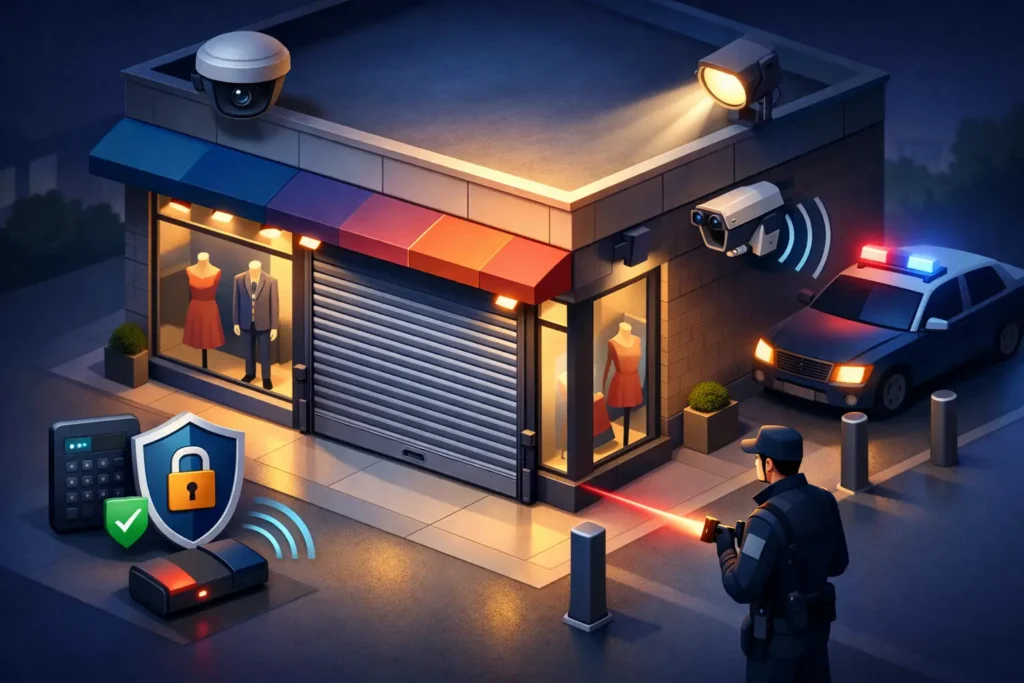
A storefront can look secure at closing time and still leave a business exposed. A dark side entrance, an unmonitored rear door, keys shared by former employees, or a camera aimed too high can create an opening that is not obvious until after a loss. Knowing how to secure retail storefronts starts with viewing the property the way an intruder, employee, customer, and first responder would.
For South Carolina retailers, the goal is not simply to add more equipment. It is to create practical layers of protection that deter crime, document activity, notify the right people, and support a fast response when something is wrong. The right plan should also fit the store’s hours, layout, merchandise, staffing level, and day-to-day operations.
Start With a Storefront Security Assessment
Before choosing alarms or cameras, walk the property after business hours. Look at the storefront from the parking lot, sidewalk, delivery area, and neighboring properties. Check whether signs, landscaping, displays, or parked vehicles block the view of doors and windows. Pay special attention to rear exits, receiving doors, roof access, electrical panels, and any door employees use to take out trash.
A useful assessment considers more than break-ins. Retail loss can come from shoplifting, internal theft, unauthorized access, vandalism, fraudulent returns, and safety incidents. A jewelry store, convenience store, boutique, pharmacy, and warehouse-style retailer may all need different protection priorities.
Ask straightforward questions. Which areas hold high-value inventory? Who has keys or alarm codes? Can managers see the cash wrap, stockroom, and entrances? What happens if an employee opens late or closes alone? Where would a person try to enter without being seen?
A professional assessment helps turn those answers into a system design instead of relying on a one-size-fits-all package.
Build Security in Layers
A secure storefront uses several connected measures. A locked door is necessary, but it should not be the only thing standing between your inventory and an intrusion. Each layer should support the next one.
Strengthen Doors, Glass, and Exterior Visibility
Start with the physical opening. Exterior doors should have commercial-grade hardware, properly aligned frames, protected hinges, and dependable locks. Rear doors deserve the same attention as the front entrance. They are often less visible and can be overlooked during busy closing routines.
Glass storefronts present a trade-off. They invite customers in and showcase merchandise, but they can also be vulnerable to smash-and-grab theft. Depending on the location and risk level, security film, reinforced glass, roll-down grilles, interior gates, or strategically placed display fixtures may help slow entry and reduce access to high-value goods. These measures should never interfere with required emergency exits or fire codes.
Good exterior lighting is another essential layer. Illuminate entrances, walkways, loading zones, and the areas around dumpsters without creating glare that makes camera footage harder to use. Replace failed lamps promptly and trim landscaping that creates hiding places. A bright, visible storefront communicates that the property is actively maintained.
Use Burglar Alarms That Cover Real Entry Points
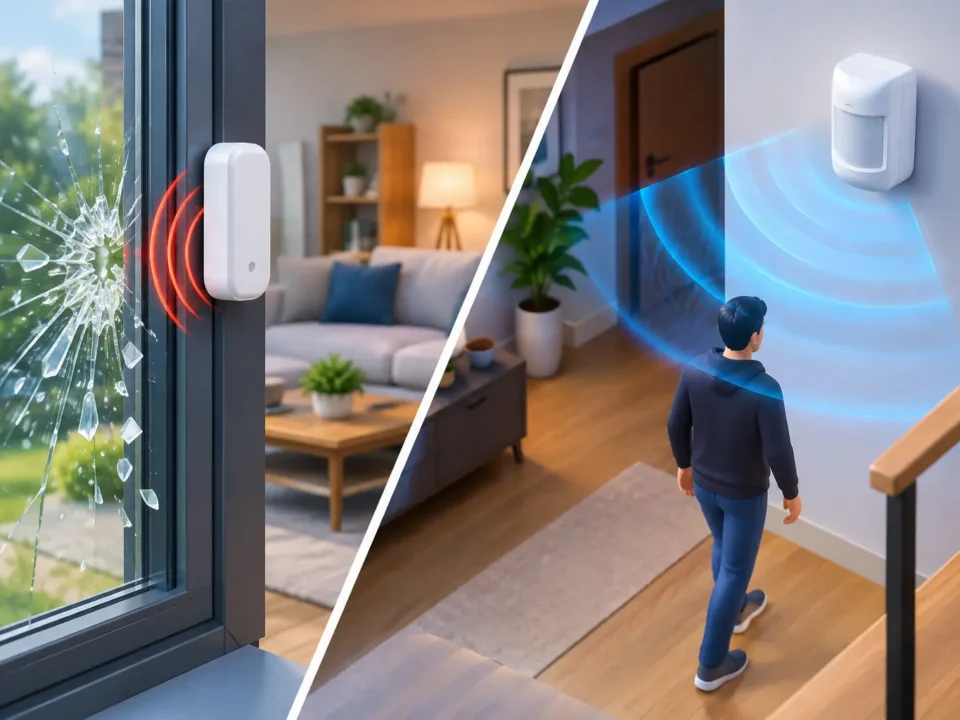
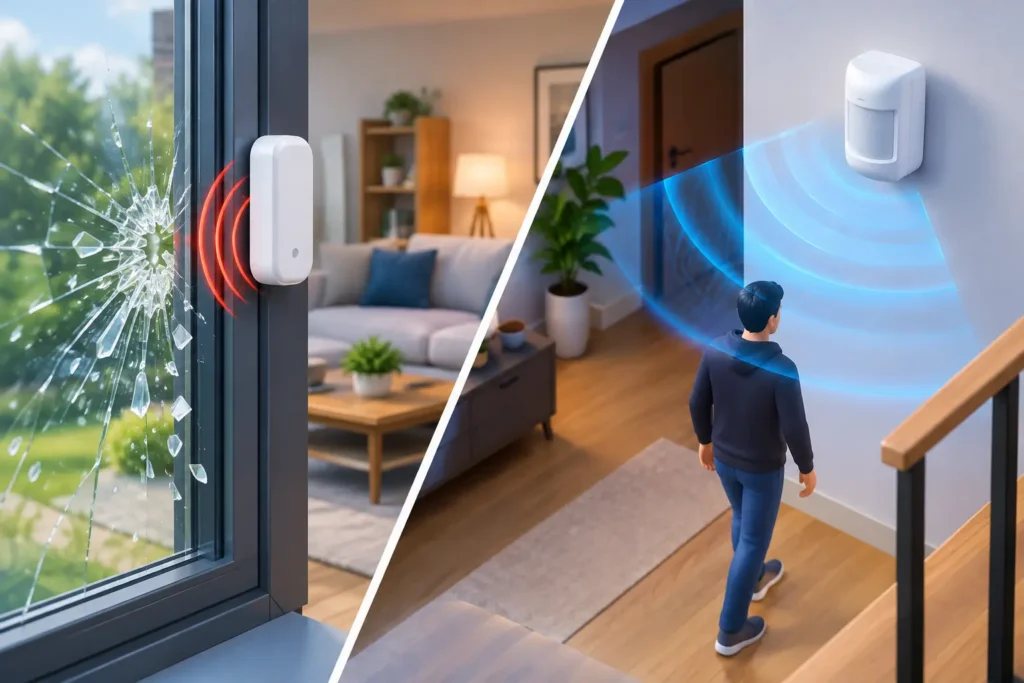
A commercial burglar alarm should protect more than the front door. Door contacts, glass-break detection, motion sensors, and panic devices can be placed based on the store’s actual exposure. The best combination depends on the building construction, ceiling height, merchandise placement, pets or cleaning crews, and how the store operates after hours.
For example, a stockroom with a receiving door may need separate protection and reporting from the sales floor. A retailer with employees arriving at different times may benefit from managed user codes rather than a single shared code. When a staff member leaves, access can be removed without rekeying the entire property.
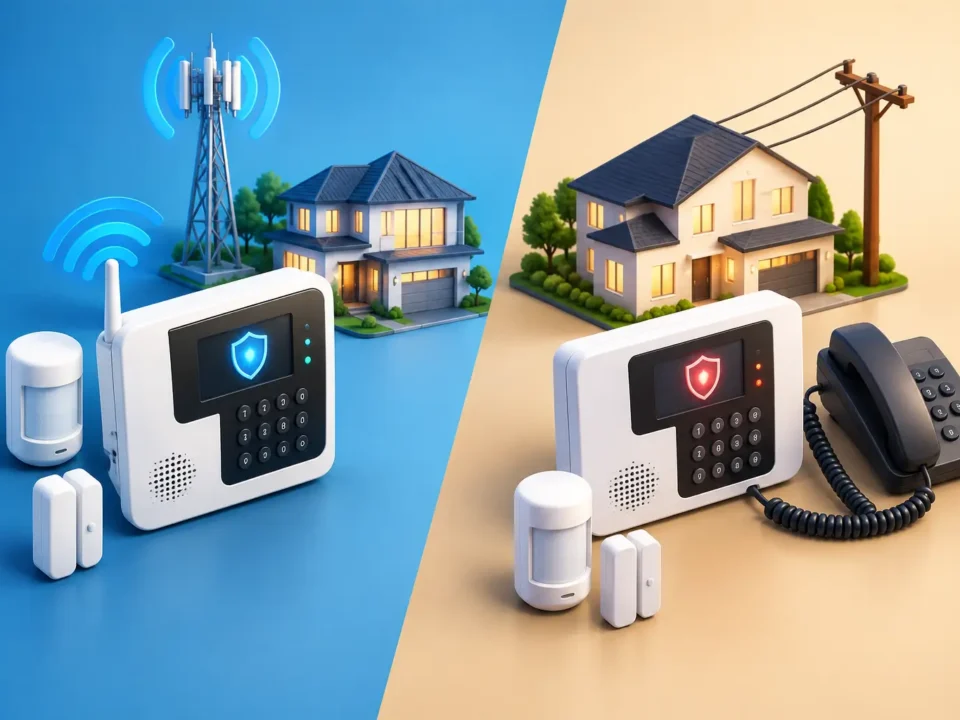
Professional installation matters because sensor placement, system programming, and communication paths affect whether an alarm performs as expected. It also helps reduce avoidable false alarms, which can disrupt operations and strain relationships with local responders.
Place Cameras Where They Can Answer Questions
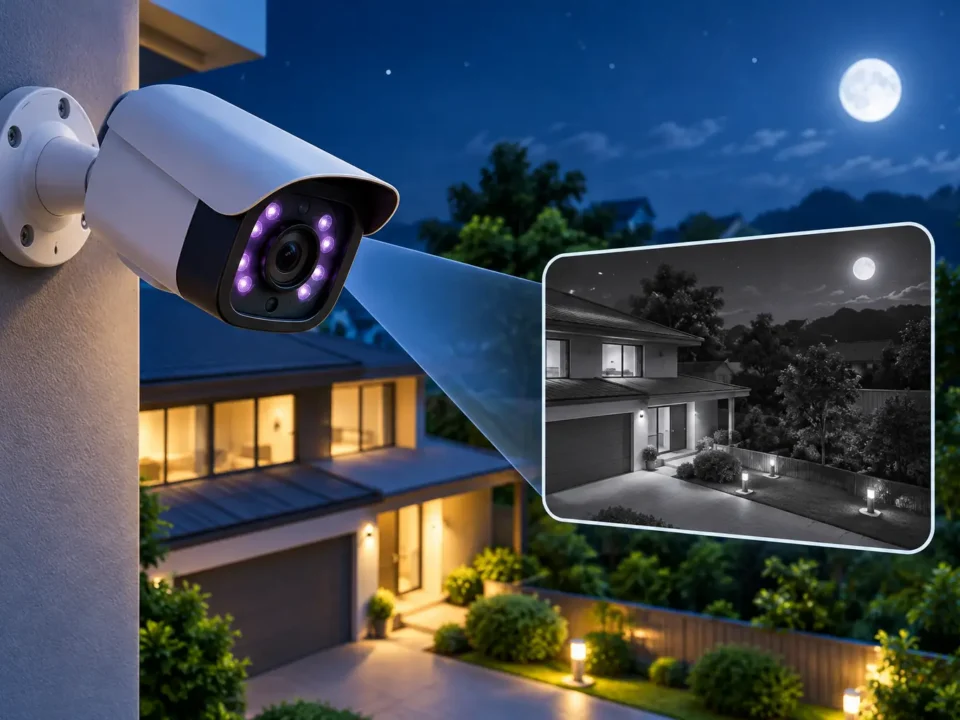
Security cameras are most valuable when they provide usable evidence, not just a record that something happened. Camera coverage should capture faces at entrances, activity at registers, high-value displays, stockroom access, receiving areas, and the perimeter around vulnerable doors.
Camera placement requires care. A wide shot may show movement across a sales floor but not provide enough detail to identify a person. A camera placed directly toward a bright window may produce poor images at night. Positioning, lighting, resolution, retention time, and remote viewing should all be discussed before installation.
Remote access allows owners and managers to check the store from a smartphone or computer, whether they are at another location or at home. That convenience should be balanced with sound account security. Use individual logins, strong passwords, and prompt removal of former employees’ permissions. Limit access to the people who genuinely need it.
Control Who Can Enter and When
Traditional keys are simple, but they are difficult to track. If a key is copied, lost, or not returned, there may be no way to know who can still enter the building. Access control provides a clearer record by allowing managers to issue credentials to specific employees and set schedules for when doors can be opened.
This is especially helpful for retailers with early deliveries, cleaning crews, multiple managers, or employees who open and close at different times. A manager can grant a vendor temporary access to a back entrance, then remove it when the work is complete. If an employee leaves the company, their credential can be disabled immediately.
Not every retail business needs card readers on every interior door. The right approach may be access control at exterior and stockroom doors, while other areas remain key-controlled. The point is to create accountability without making daily work harder than it needs to be.
Protect Employees During Opening and Closing
Storefront security is also personal safety. Opening and closing are predictable moments when employees may be alone, handling cash, or focused on a task rather than their surroundings.
Set a written procedure for these times. Employees should check the parking area before leaving, avoid carrying visible cash deposits, and report damaged locks, suspicious vehicles, or unfamiliar people near the building. When staffing allows, use a two-person closing process. For higher-risk locations, panic buttons or duress devices can give employees a direct way to request help during an emergency.
Train staff to use the security system correctly. A sophisticated system cannot help if employees do not know how to arm it, disarm it, verify a door is secure, or respond when it signals a problem. Keep procedures simple, review them periodically, and update them when staffing or store hours change.
Connect Fire and Life Safety to the Plan
Retail protection should not stop at intrusion. A commercial fire alarm system, properly designed and maintained for the building and occupancy, helps protect people, inventory, and the ability to reopen after an emergency. Fire-safety needs can change when a retailer renovates, changes its floor plan, adds storage, or occupies a new space.
Do not treat fire alarm maintenance as a box to check. Scheduled inspections, testing, and prompt repairs help ensure devices, notification equipment, and monitoring connections are ready when needed. Your security provider should coordinate protection measures without compromising required exits, accessibility, or fire code compliance.
Make Monitoring and Response Part of the System
An alarm without a response plan can leave owners uncertain about what happens next. Professional 24/7 monitoring provides a trained point of contact when a burglar, fire, panic, or other alarm event occurs. Monitoring personnel can follow established procedures, notify designated contacts, and request emergency response when appropriate.
Before activation, keep your call list current. Include owners, managers, keyholders, and backup contacts who can respond safely. Decide who can authorize repairs, who can meet law enforcement, and where spare credentials or keys are kept. Review these details after personnel changes, not months later.
For many retailers, the value of monitoring is reassurance. You do not have to rely on seeing a phone alert at 2:00 a.m. or hope a neighbor notices a problem. The system has an active connection to help when the store is closed.
Maintain the Protection You Already Have
Security systems need attention after installation. Cameras can be bumped out of position, door contacts can become misaligned, batteries can age, and a remodel can create blind spots. Test panic devices according to your provider’s instructions, inspect doors and locks regularly, and make sure camera views still match the store layout.
Whenever your business changes, revisit your security plan. New inventory, extended hours, a new stockroom, additional staff, or a second location can change the risk profile. A local provider such as ADP Security Systems can help evaluate those changes and keep commercial security, fire protection, and monitoring aligned with the way your business actually operates.
The most effective storefront security is not the most complicated system. It is the one your team understands, your property can support, and your security partner continues to maintain. When every layer has a purpose, your doors close with more than a lock – they close with a plan.